Africa, a land of breathtaking landscapes, diverse cultures, and vibrant people, is also a continent often associated with poverty. This can seem puzzling at first glance. After all, Africa is blessed with an abundance of natural resources – oil, diamonds, gold, fertile land, and more. So, why is Africa still grappling with widespread poverty?
The answer lies in a complex web of factors, some stemming from the very resources that hold so much potential. This paradox, where resource wealth can hinder development, is known as the “resource curse.”
Let’s delve deeper into this phenomenon and explore the challenges and opportunities Africa faces on its path to prosperity.
Africa’s Abundant Resources: A Potential for Progress
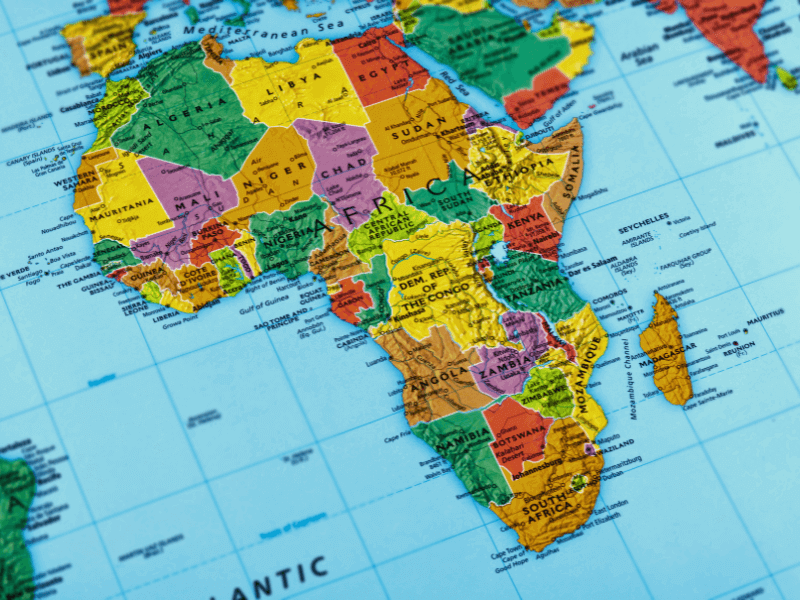
Africa boasts a staggering wealth of natural resources. From the vast oil reserves in Nigeria and Angola to the diamond mines of Botswana and South Africa, the continent holds a significant portion of the world’s valuable minerals.
Additionally, fertile lands across the continent offer immense potential for agriculture, while strategic waterways and diverse ecosystems provide further economic opportunities.
In theory, these resources could fuel development by generating revenue for governments to invest in infrastructure, education, healthcare, and other crucial areas. A thriving resource sector could create jobs, attract foreign investment, and propel economic growth.
However, the reality can be quite different.
The “Resource Curse” and its Impact
The resource curse describes a phenomenon where a country’s abundance of natural resources can become a hindrance to development.
Here’s how it plays out in Africa’s context:
- Conflict and Instability: Resource wealth can be a source of tension and conflict. Different groups may vie for control over valuable resources, leading to civil wars and instability. This disrupts economic activity and discourages investment.
- Corruption and Mismanagement of Funds: When resource revenue flows into the hands of a select few, it can lead to corruption and mismanagement. Public funds meant for development projects may be diverted towards private gain, leaving vital sectors underfunded.
- Neglect of Other Sectors: A reliance on resource extraction can lead to neglecting other potentially lucrative sectors like agriculture and manufacturing. This creates a one-sided economy vulnerable to fluctuations in global resource prices.
Challenges to Development
The resource curse is just one piece of the puzzle. Several other factors contribute to poverty in Africa:
- Weak Institutions and Governance: Many African countries struggle with weak institutions and governance structures. This can lead to inefficient resource management, lack of transparency, and difficulty in implementing development policies effectively.
- Historical Legacies of Colonialism: The colonial past continues to cast a long shadow. Colonial exploitation and arbitrary borders often left behind a legacy of underdevelopment and political instability.
- Rapid Population Growth: Africa’s population is growing rapidly, putting a strain on resources and infrastructure. This makes it challenging for some countries to keep up with the demand for jobs, education, and healthcare services.
- Infrastructure Deficiencies: Many African countries lack basic infrastructure like roads, bridges, and reliable power grids. This hinders economic activity and makes it difficult to transport goods and services efficiently.
Solutions and Success Stories
Despite the challenges, there’s a growing movement in Africa to break the cycle of poverty. Here are some positive developments:
- Investment in Education and Infrastructure: Investing in education empowers people with the skills needed to thrive in a modern economy. Similarly, building infrastructure connects markets, facilitates trade, and attracts investment.
- Diversifying Economies Beyond Resource Dependence: Many African countries are actively working to diversify their economies and reduce reliance on resource extraction. This involves developing other sectors like manufacturing, tourism, and information technology.
- Transparency and Good Governance Initiatives: There’s a growing focus on transparency and accountability in resource management. This includes initiatives like publishing resource revenue data and involving communities in decision-making processes.
There are also inspiring success stories across the continent. Countries like Botswana, Rwanda, and Ghana have implemented sound economic policies, invested in education and infrastructure, and fostered good governance. These examples demonstrate that Africa’s path to prosperity is achievable.
Conclusion
Africa’s situation is undeniably complex. The resource curse and various other challenges continue to hinder progress. But there’s also a growing spirit of optimism and a commitment to building a brighter future.
By investing in its people, diversifying economies, and fostering good governance, Africa has the potential to unlock its vast potential and create a future of shared prosperity.
This is just the beginning of your exploration. For a deeper dive, consider researching specific countries or initiatives mentioned in the article. There’s a wealth of information available online and at local libraries.
Remember, Africa is a continent of rich stories, vibrant cultures, and incredible resilience. By understanding the challenges and opportunities, we can contribute to a more positive narrative and support Africa’s journey towards a future that fulfills its immense potential.